Overview: turning constraints into opportunities
Small bathrooms pose design challenges, but they also spark creativity. With over 10 years of interior design experience focused on bathroom renovations, I’ve learned that the best small bathroom ideas combine smart layouts, efficient storage, durable materials, and layered lighting. The goal is to make the space feel calm, functional, and visually larger without sacrificing comfort or style.
Smart layouts for tiny spaces
Layout decisions determine how large a space feels. Prioritize a clear horizontal flow and free floor area by using wall-mounted fixtures and compact units. A wall-hung vanity or narrow pedestal sink can open sightlines; a corner basin makes use of otherwise wasted space. Consider a compact toilet with a concealed tank to reduce visual bulk. If possible, opt for a pocket door or barn-style door to eliminate door swing and preserve floor space for movement. When plumbing lets you stay put, you can dramatically improve roominess with deliberate positioning of the shower, sink, and storage.
Vertical storage and mirror magic
In a small bathroom, vertical space is your best friend. Install tall, slim cabinets, recessed niches in the shower, and floating shelves above the toilet or sink. A large mirror or a mirrored cabinet doubles as storage while reflecting light to expand the room. If you can, choose a medicine cabinet with shallow depth and concealed hardware to keep the surface uncluttered.
Color, material, and light
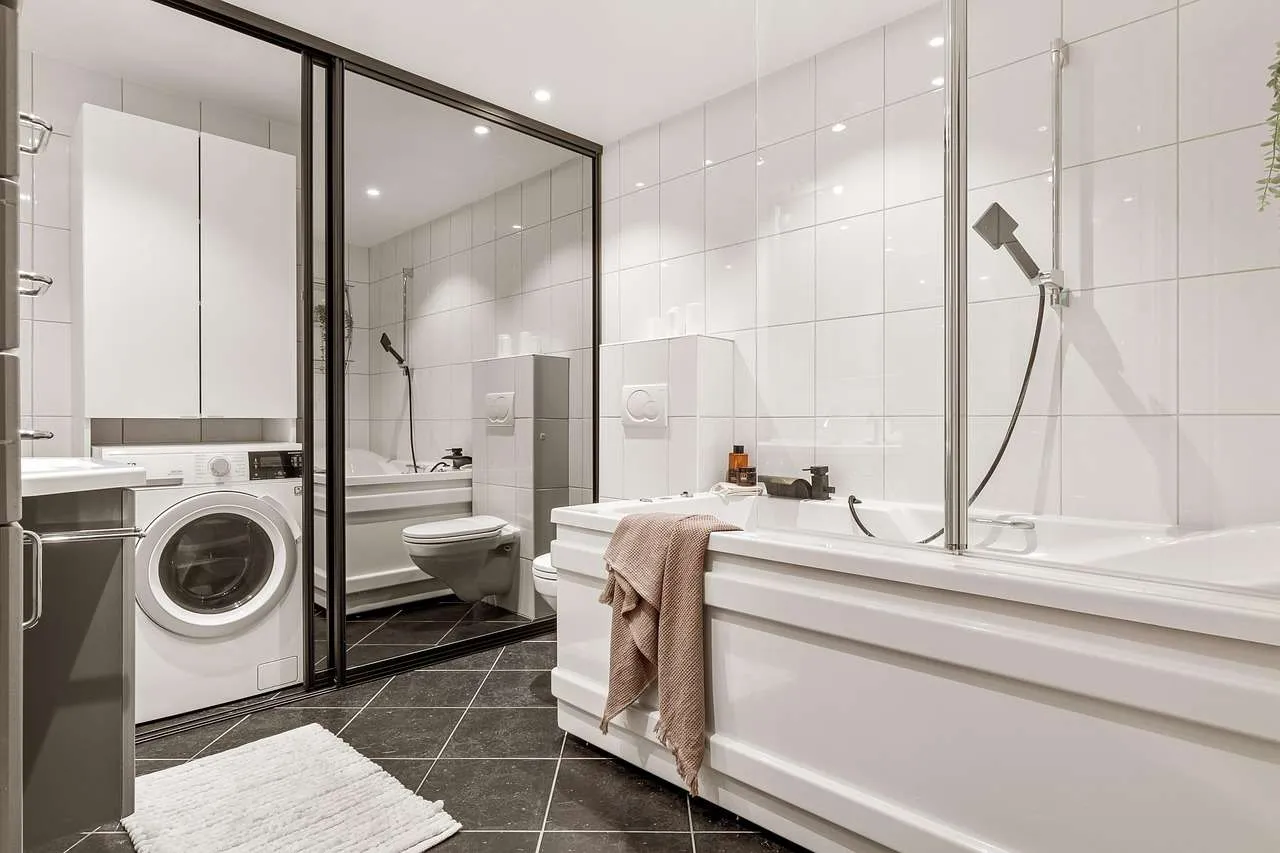
Light colors expand perception; pale neutrals, whites, and cool blues work well for small spaces. Use large-format tiles with minimal grout to create a seamless field that reads as more expansive. Select reflective surfaces—glossy tiles, chrome fixtures, and glass shower enclosures—to bounce light around the room. Layer lighting with a bright ceiling fixture plus task lighting near the mirror, and consider discreet LED strips under shelves for subtle nighttime guidance without glare.
Storage ideas that work
Every inch counts. Use recessed shower shelves instead of freestanding caddies, and choose a vanity with integrated storage rather than open shelving. Over-the-door hooks and slim rolling bins tuck into corners without crowding the floor. A vanity with multiple drawers or pull-out organizers keeps everyday items tidy and accessible, reducing visual clutter and enhancing perceived space.
Durable fixtures and smart materials
Choose moisture-resistant materials that age gracefully in small bathrooms. Porcelain tiles, solid-surface countertops, and cultured marble resist humidity and are easy to clean. Slip-resistant floor finishes improve safety in wet areas. A frameless glass shower enclosure visually enlarges the space and minimizes edge clutter, while compact, efficient faucet sets keep surface lines clean and airy. Investing in quality fixtures pays off in durability and long-term maintenance.
Lighting, ventilation, and mood
Layered lighting makes small spaces feel bigger. Combine general ambient light with targeted task lighting at the mirror and ambient glow from under-shelf LEDs. Proper ventilation is essential to prevent moisture buildup; an exhaust fan with a humidity sensor helps protect surfaces and maintains air quality. If feasible, a skylight or a bright window introduces natural light, which dramatically improves perceived size and comfort.
Budgeting and planning for a small bathroom remodel
Start with precise measurements and a prioritized list of must-haves. Create design boards showing finishes, fixtures, and storage schemes. Solicit multiple quotes from reputable contractors and request detailed project plans that illustrate how each element fits within the space. A well-structured plan reduces surprises, controls costs, and yields a higher return when you upgrade a compact bathroom.
Layout options at a glance
| Layout option | Pros | Cons |
|---|---|---|
| Walk-in shower with glass partition | Feels open, easy cleaning, accessible | Requires careful slope and waterproofing |
| Tub/shower combo with a slim tub | Versatile use; preserves bath option | Takes more space than a shower alone |
| Corner vanity with wall-hung toilet | Maximizes floor area and flow | Limited countertop space |
| Pocket door or barn door | No swing clearance, opens space | Higher installation cost |
When designing, pair practical solutions with a cohesive theme. By selecting a simple color story, strategic lighting, and compact, quality fixtures, you achieve a bathroom that feels larger and works harder than its footprint suggests.
Conclusion, small bathroom ideas focus on three pillars: layout efficiency, smart storage, and durable materials. A thoughtful approach to fixtures, lighting, and finishes turns tight spaces into comfortable, stylish rooms that function as well as they look. With careful planning and a clear priority list, your compact bathroom can deliver big impact without big budgets.