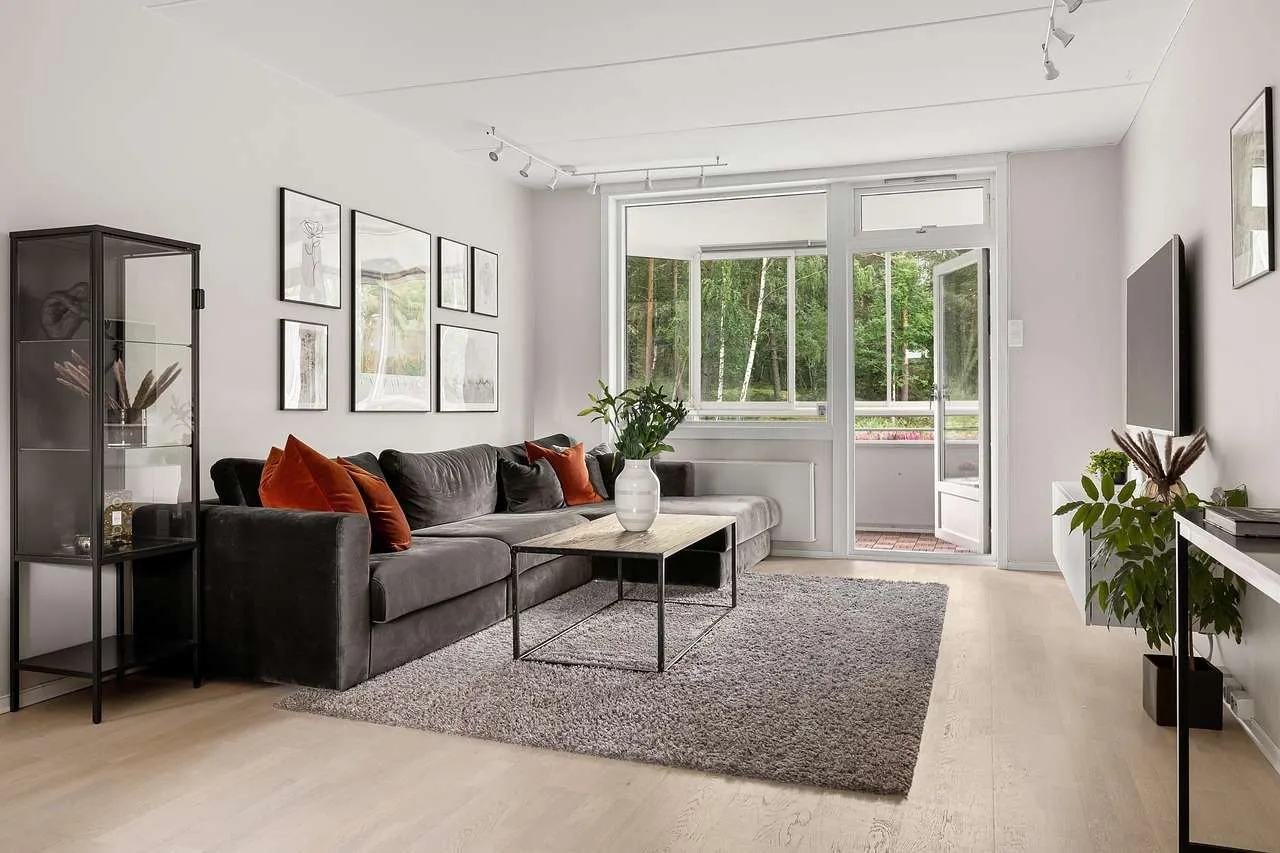
What is Home Window Tinting
Home window tinting is the application of a thin film to interior window glass to reduce solar heat, glare and UV exposure while preserving visibility. Modern films come in a range of shades and technologies, enabling homeowners to tailor comfort, safety and energy use without sacrificing natural light.
Benefits of Home Window Tinting
Tinting your home windows offers several practical advantages. First, UV protection helps shield furniture, carpets and artwork from fading. Second, glare reduction improves comfort for tasks such as reading and screen time, especially on east and west facing windows. Third, energy savings arise from lower solar heat gain, which can reduce cooling load in warm months. Fourth, many films add a degree of privacy without completely blocking daylight. Finally, some tint products increase safety by holding shattered glass together, reducing injury risk during breakage.
Types of Window Tint for Homes
Choosing the right film depends on climate, budget and your goals. Here are the most common options:
Dyed Window Tint
Dyed films absorb heat and reduce glare at a lower cost. They offer good privacy but can fade over time and may be less durable than higher end options.
Metalized Window Tint
Metalized films reflect heat with tiny metallic particles and provide strong glare reduction. They can interfere with electronics in some cases and may show a mirrored appearance from the outside.
Ceramic Window Tint
Ceramic films use nonconductive particles that offer excellent heat rejection, strong UV protection and clearer visibility. They are durable and less prone to fading, making them a popular premium choice.
Ceramic-Coated and LoE Films
Low emissivity LoE and ceramic-coated films improve energy performance by reducing heat transfer while maintaining high clarity. They are commonly recommended for modern homes with energy efficiency goals.
Specialty and Safety Films
Some films feature additional safety layers or decorative options. These may enhance security or match architectural aesthetics but can be priced higher.
How to Choose the Right Tint
To select the best tint for your home, consider these factors. Define your goals: is privacy paramount, or is energy savings your main driver? Check the visible light transmittance VLT to ensure enough daylight remains. Review UV rejection ratings to protect interiors. Consider climate: hotter regions benefit from higher heat rejection. Ensure the product complies with local laws and building codes, as some jurisdictions regulate visible tint on residential windows. Ask about warranties and the installer’s certifications. Finally, choose a reputable installer with experience, proper insurance and a service warranty.
DIY vs Professional Installation
While DIY tint kits exist, professional installation is usually recommended for large windows and multi-pane units. Pros ensure a bubble-free finish, precise edge sealing and long-term adhesion. They can also handle irregular window shapes and provide a warranty that covers reapplication and removal. A professional installation minimizes the risk of poor aesthetics and avoids voiding any existing window warranties.
Cost, ROI and Maintenance
Costs vary by film type, window size and labor, but typical residential installations range from five to twelve dollars per square foot installed. Dyed films tend to be cheaper, while ceramic and LoE films sit at the higher end. ROI comes from energy savings and furniture protection, usually realized over a few to several years depending on climate, energy prices and window design. Maintenance is straightforward: clean with a soft cloth and nonabrasive cleaners to avoid film damage. Avoid ammonia-based cleaners on tinted surfaces, as they can degrade the film over time.
Comparison of Common Tint Options
| Tint Type | UV Rejection | IR Rejection | VLT (Visible Light) | Durability | Typical Cost per Sq Ft | Best For |
|---|---|---|---|---|---|---|
| Dyed | Good | Moderate | 45–70% | Moderate | $5–$8 | Budget privacy and glare control |
| Metalized | High | High | 25–60% | Good | $6–$9 | Strong heat rejection; potential electronics interference |
| Ceramic | Very High | Very High | 40–70% | Excellent | $9–$12 | Premium clarity and energy savings |
| Ceramic-Coated LoE | Very High | Excellent | 50–75% | Excellent | $11–$15 | High efficiency homes and sunrooms |
Maintenance and Longevity
Proper maintenance extends film life. Clean with soft, nonabrasive microfiber cloths and mild soapy water. Avoid harsh chemicals, especially ammonia or alcohols, which can deteriorate the film over time. If edges peel or bubbles appear, contact your installer for remediation under the warranty. Periodic inspections help catch issues early and maintain performance.
Conclusion
Conclusion: Home window tinting is a versatile upgrade that can boost comfort, protect furnishings, and reduce energy costs. By selecting the right tint type for your climate and privacy needs, and by hiring a qualified installer, you can achieve durable results that enhance your living space while staying within local regulations. Take time to compare options, verify warranties, and plan for long term benefits rather than just upfront cost.
Summary: Home window tinting delivers UV protection, glare relief, energy savings, and privacy, with multiple film options to fit budgets and climates. By choosing the right type and having a qualified installer, homeowners can improve comfort, protect furnishings, and maintain compliance with local rules.