Introduction
Choosing bathroom tiles is about more than color. Tiles set the space’s mood, influence maintenance, and protect walls and floors from moisture. With the right tile selection, a small bathroom can feel larger, a wet area safer, and a bath or shower more luxurious. This guide covers core options, performance metrics, and practical tips from experienced tile installers to help you achieve a durable, beautiful result.
Understanding tile types
Ceramic tiles
Ceramic tiles are made from clay and glaze, offering a broad range of patterns and finishes. They are generally more affordable than porcelain and are well suited for walls and light-traffic floors. They absorb more water than porcelain, so they may require a sealer in some environments and careful grouting to prevent staining.
Porcelain tiles
Porcelain is a dense, low porosity tile that resists water and staining. It performs well in showers and on floors with heavy traffic. Porcelain comes in glazed and unglazed formats, including large planks and interlocking formats that mimic wood or stone. Expect higher upfront costs but longer life with proper maintenance.
Natural stone
Natural stones such as marble, travertine, or slate bring unique veining and luxury. They require sealing and routine maintenance to protect against moisture and etching or staining. Honed finishes are common in baths to reduce slipperiness, while polished surfaces emphasize luxury but can show water spots more easily.
Glass and cement tiles
Glass tiles add sparkle and are ideal for accent walls or backsplashes. They can be slippery when wet if used on floors, so place them as wall accents or combine with a non slip floor tile. Cement tiles offer bold color and patterns but are porous unless sealed and may require re-sealing over time to maintain stain resistance.
Key factors to consider
When choosing bathroom tiles, consider moisture exposure, wear, slip resistance, and ease of cleaning. Look for tiles with low water absorption for floors in wet zones and choose slip resistant ratings (COF) suitable for bathrooms. For walls, weight and cut flexibility matter less, so you can experiment with color and texture. Always check tile manufacturer data sheets for warranty terms and recommended installation methods. Professional installation by a licensed tile setter ensures proper substrate prep, waterproofing, and grouting, which are essential for long-term performance.
Performance metrics to compare
Water absorption, COF slip resistance, durability under freeze-thaw cycles in certain climates, and maintenance requirements should guide your choice. Some tiles are easier to clean; others offer superior stain resistance or color consistency. If your bathroom has a radiant floor or under tile heating, ensure tiles are rated for compatible adhesive and installation methods.
Design and layout ideas
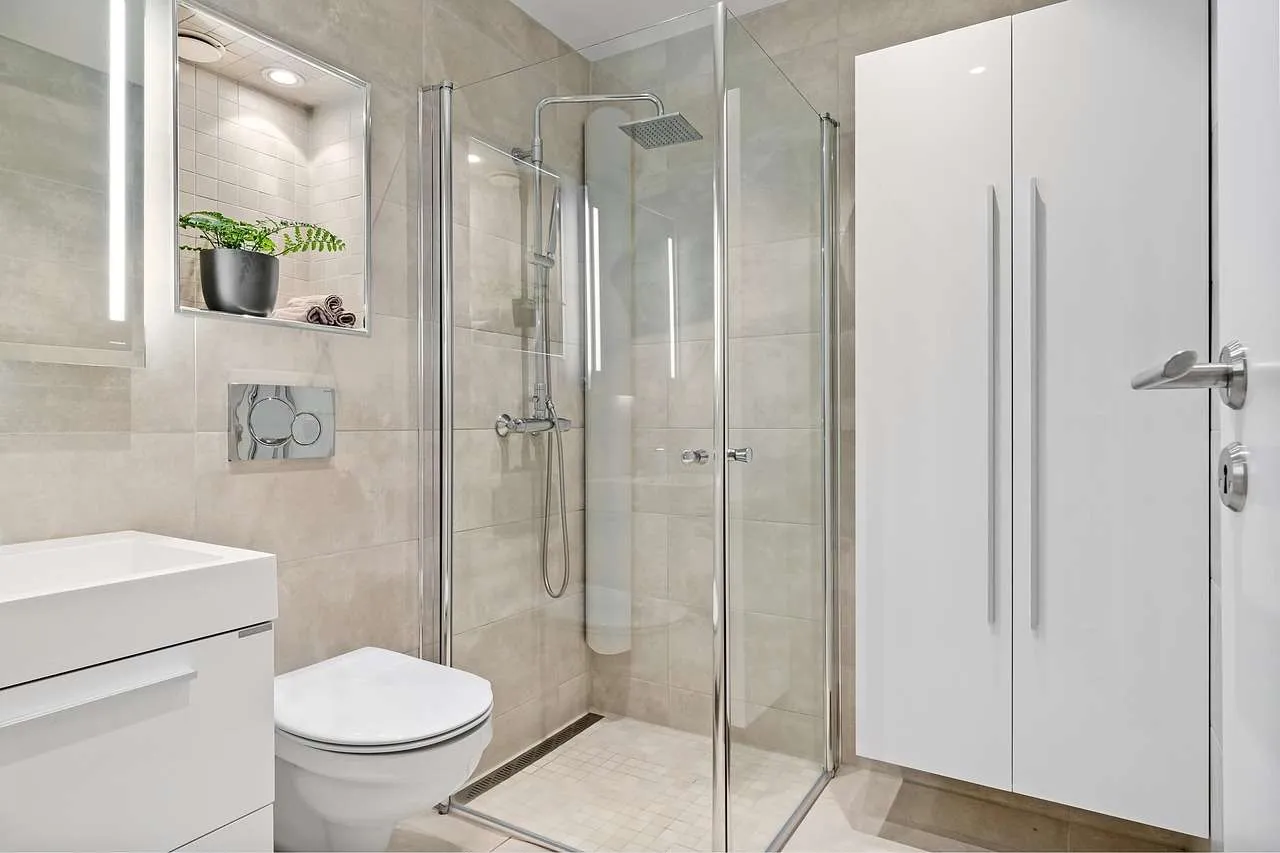
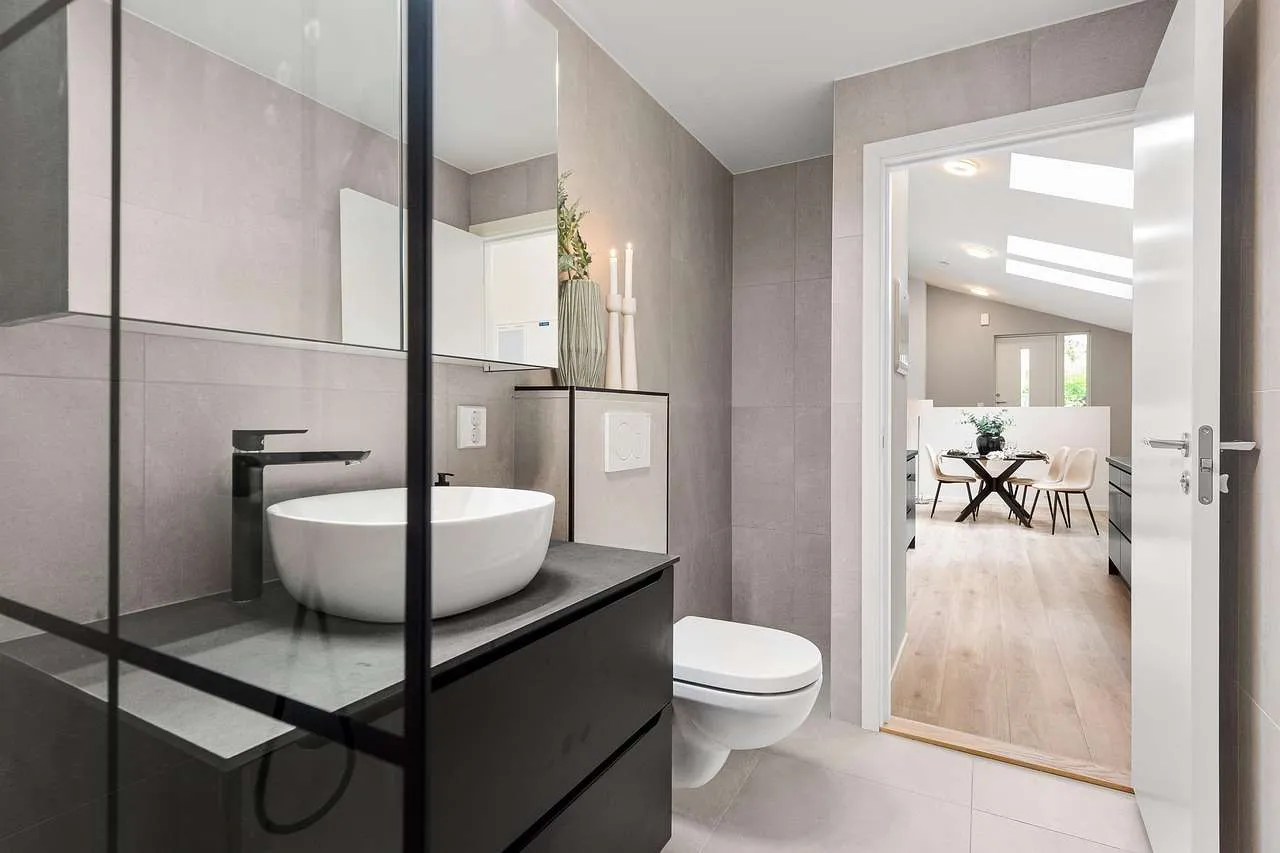
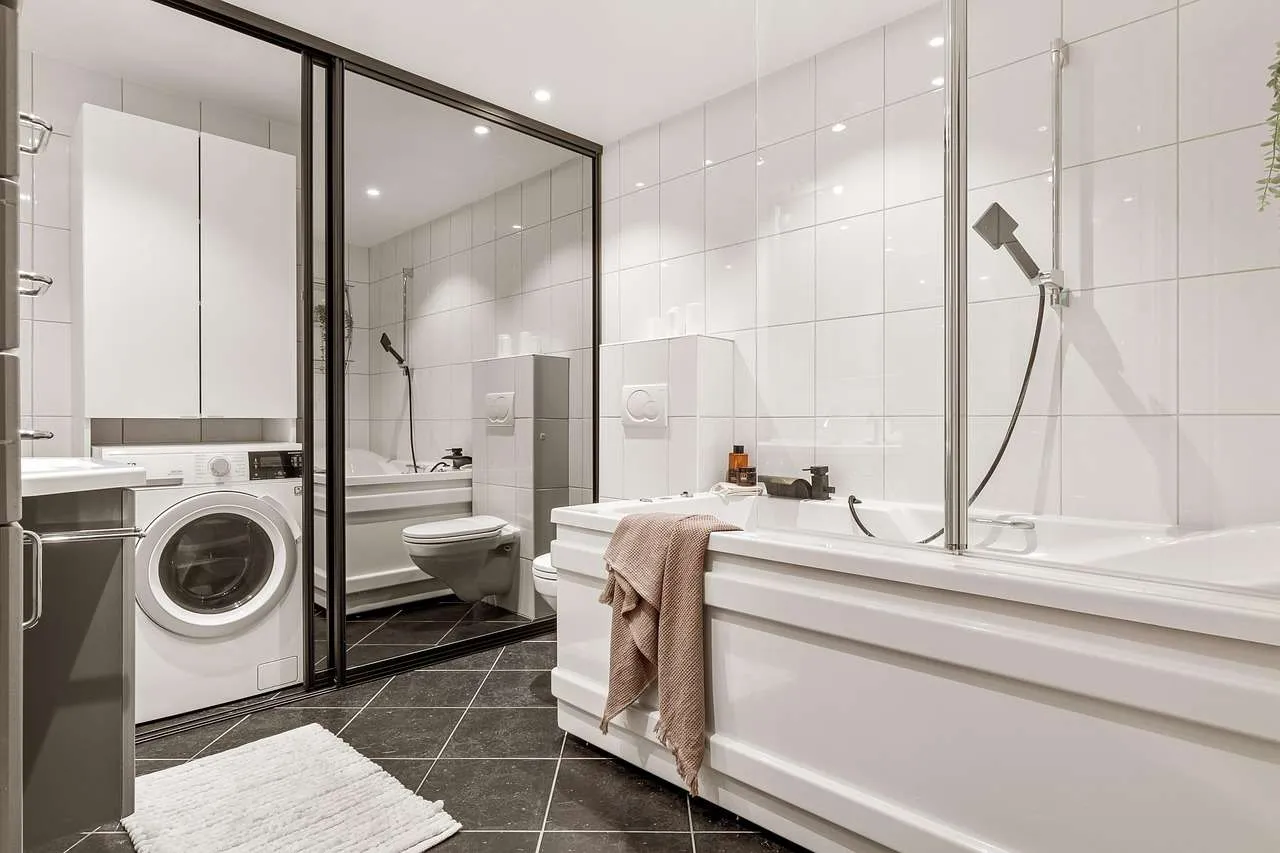
Tile choices influence the perceived size of a bathroom. Light neutral palettes with large format porcelain can make compact baths feel more expansive. Use a shower niche or band of mosaic tile to create focal points. White or ivory tiles with a bold grout line can add depth, while dark floors paired with lighter walls create contrast. For safety, choose slip resistant floor tiles in wet zones and reserve glossy finishes for walls or accents.
Maintenance and care
Maintenance lengthens tile life and preserves appearance. Sweep and mop floors regularly, wipe walls after showers, and reseal natural stone every 1–3 years depending on porosity and use. Grout lines benefit from annual cleaning and regrouting if cracking or discoloration appears. Use pH neutral cleaners and avoid acidic products on natural stone to reduce etching and dulling of glaze finishes.
Installation considerations and professional tips
Installations should begin with a properly prepared substrate and moisture barrier. In showers and wet areas, a waterproof membrane behind tiles is essential. A professional installer will ensure proper tile layout, compatible spacers, and even adhesive coverage. For large format tiles, floor flattening and back-buttering can prevent hollow spots. If you DIY, practice on a small area first and always follow local building codes and warranty requirements.
Comparison of common tile types
| Tile Type | Water Absorption | Slip Resistance | Durability | Maintenance | Best Uses |
|---|---|---|---|---|---|
| Ceramic | Moderate-high | Moderate | Good | Low to moderate | Walls and light-traffic floors |
| Porcelain | Low | High (varies) | Excellent | Low | Showers, floors, all directions |
| Natural Stone | Varies by stone | Varies; honed is less slippery | Medium to high with sealing | Moderate to high | Bathrooms with luxury look |
| Glass | Low | Low on floors; good on walls | Medium | Low; easy to clean | Backsplashes and accents |
| Cement | Low | Variable | Moderate | Moderate to high | Bold patterns, floors and walls |
Note: Values vary by product line and manufacturer. Always request a COF rating for flooring tiles and consult your installer for the right combination of tile and substrate, especially in high-moisture zones.
Conclusion
Choosing bathroom tiles requires balancing aesthetics, moisture performance, and maintenance. Ceramic and porcelain offer reliable options across budgets, while natural stone delivers luxury with extra care. Always prioritize slip resistance for floors, select tiles with appropriate water absorption, and partner with a licensed installer to ensure a durable waterproofing system. With careful planning, your bathroom can be both beautiful and long lasting.
Summary: By understanding tile types, performance metrics, and maintenance needs, you can select bathroom tiles that deliver style, safety, and durability for years to come.